Author: UNIWORKWEAR

  • Hi-Vis Workwear Compliance in 2026: What Has Changed and What Buyers Must Know

    Hi-Vis Workwear Compliance in 2026: What Has Changed and What Buyers Must Know

    Hi-vis workwear compliance is not static. Standards evolve, enforcement increases, and the consequences of non-compliance — for workers and employers — are serious. Here is what has changed in 2026 and what every B2B buyer of safety workwear needs to know.

    EN ISO 20471:2013+A1:2016 — Still the Benchmark in Europe

    The EN ISO 20471 standard remains the primary reference for high-visibility clothing in Europe. Class 1, 2, and 3 classifications are based on the minimum areas of background material and retroreflective tape. Class 3 provides the highest level of visibility and is required for workers on motorways and high-speed roads in most European jurisdictions.

    What has changed is enforcement. Following several high-profile incidents involving non-compliant hi-vis garments, regulatory bodies in the UK, Germany, and the Netherlands have increased market surveillance. Non-compliant products are being withdrawn from the market and suppliers are facing penalties.

    ANSI/ISEA 107-2020 — The North American Standard

    In North America, ANSI/ISEA 107-2020 governs high-visibility safety apparel. The standard was updated in 2020 to include enhanced requirements for combined-performance garments and to align more closely with the ISO standard. Buyers sourcing for US and Canadian markets should ensure their suppliers are testing to the 2020 version, not the superseded 2015 standard.

    The Certification Verification Problem

    As noted in our certification article, the market for fraudulent EN ISO 20471 certificates is real. Buyers should request laboratory test reports — not just certificates — from accredited testing bodies. The test report will show the actual measured values for background material area, retroreflective tape area, and colour coordinates.

    Washing Performance Requirements

    A frequently overlooked aspect of hi-vis compliance is washing performance. EN ISO 20471 requires that garments maintain their performance characteristics after a specified number of wash cycles. Cheap hi-vis garments often fail washing performance tests even if they pass initial measurements. Request washing performance data from your supplier.

    UNIWORKWEAR’s hi-vis range is tested to EN ISO 20471 Class 2 and Class 3 standards, with full laboratory test reports available. All garments are tested for washing performance to the required cycle counts.

  • Private Label Workwear in 2026: Why More Brands Are Moving Away From China

    Private Label Workwear in 2026: Why More Brands Are Moving Away From China

    The private label workwear market is undergoing a significant shift. Brands, distributors, and retailers that built their private label programs on Chinese manufacturing are actively diversifying — and the reasons go beyond tariffs and shipping costs.

    The Private Label Risk Landscape Has Changed

    Three years ago, the primary risks in private label workwear sourcing were quality consistency and minimum order quantities. In 2026, the risk landscape is fundamentally different:

    • Reputational risk — Consumers and corporate buyers are increasingly scrutinising supply chain ethics. A private label brand associated with a factory involved in labour violations or environmental breaches faces serious reputational damage.
    • Compliance risk — New supply chain due diligence legislation in the EU and UK requires brands to verify and document their supply chain practices. Chinese factories are often unable or unwilling to provide the level of transparency required.
    • Continuity risk — Factory closures, financial instability, and geopolitical disruptions create real continuity risks for brands that are single-sourced in China.

    What Brands Are Looking for in Alternative Manufacturers

    The brands making the transition successfully are prioritising:

    • Full production transparency — the ability to visit the factory and verify that their products are being made where they are told they are being made
    • Ethical manufacturing documentation — audit reports, worker welfare policies, environmental compliance
    • Flexible MOQs — the ability to start with smaller quantities to test quality and market response before scaling
    • Branding capability — full private label services including custom labels, packaging, and hang tags

    UNIWORKWEAR offers complete private label and OEM manufacturing services with full production transparency. Our factory is open to visits and third-party audits. MOQs start from 50 pieces per style, making it practical to build and test a private label range without committing to large volumes upfront.

  • The Truth About Workwear Certifications in 2026: What Is Real and What Is Fake

    The Truth About Workwear Certifications in 2026: What Is Real and What Is Fake

    In a market under pressure, certification fraud is rising. This is not a comfortable topic, but it is one that every B2B workwear buyer needs to understand in 2026. The consequences of sourcing non-compliant safety workwear are not just financial — they are legal and, in some cases, life-threatening.

    Why Certification Fraud Is Increasing

    The combination of financial pressure on Chinese factories, increased demand for certified workwear, and the difficulty of verification creates the conditions for fraud. Factories that cannot afford genuine certification — or cannot meet the standards — are producing counterfeit certificates. The market for fake ISO, OEKO-TEX, and EN ISO 20471 certificates is real and growing.

    The Certifications That Matter Most for Workwear

    EN ISO 20471 (Hi-Vis Workwear)

    This is the European standard for high-visibility clothing. Class 2 and Class 3 garments must meet specific retroreflective tape placement, background material area, and colour requirements. A fake EN ISO 20471 certificate on a non-compliant garment puts workers at risk and exposes employers to significant liability.

    OEKO-TEX Standard 100

    This certification verifies that fabrics have been tested for harmful substances. It is increasingly required by healthcare, food service, and childcare uniform buyers. Genuine OEKO-TEX certificates can be verified at the OEKO-TEX website using the certificate number.

    ISO 9001

    This quality management system certification indicates that a factory has documented processes, quality controls, and continuous improvement systems in place. It does not guarantee product quality, but it is a meaningful indicator of operational discipline.

    How to Verify Certifications

    • Request the certificate number and verify it directly with the issuing body
    • Check the certificate expiry date — many fraudulent certificates use expired genuine certificates with altered dates
    • Verify that the factory name and address on the certificate match the factory you are dealing with
    • For EN ISO 20471, request test reports from an accredited laboratory, not just the certificate

    UNIWORKWEAR’s certifications are current, verifiable, and available for review. We welcome third-party audits and can provide laboratory test reports for all safety-rated products.

  • Global Supply Chain Disruption in 2026: A Workwear Buyer\’s Survival Guide

    Global Supply Chain Disruption in 2026: A Workwear Buyer\’s Survival Guide

    If you are responsible for sourcing workwear or uniforms for your organisation in 2026, you are operating in the most complex supply chain environment in a generation. This guide covers what is actually happening and what you can do about it.

    The Five Disruptions Hitting Workwear Supply Chains Right Now

    1. Middle East Shipping Disruptions

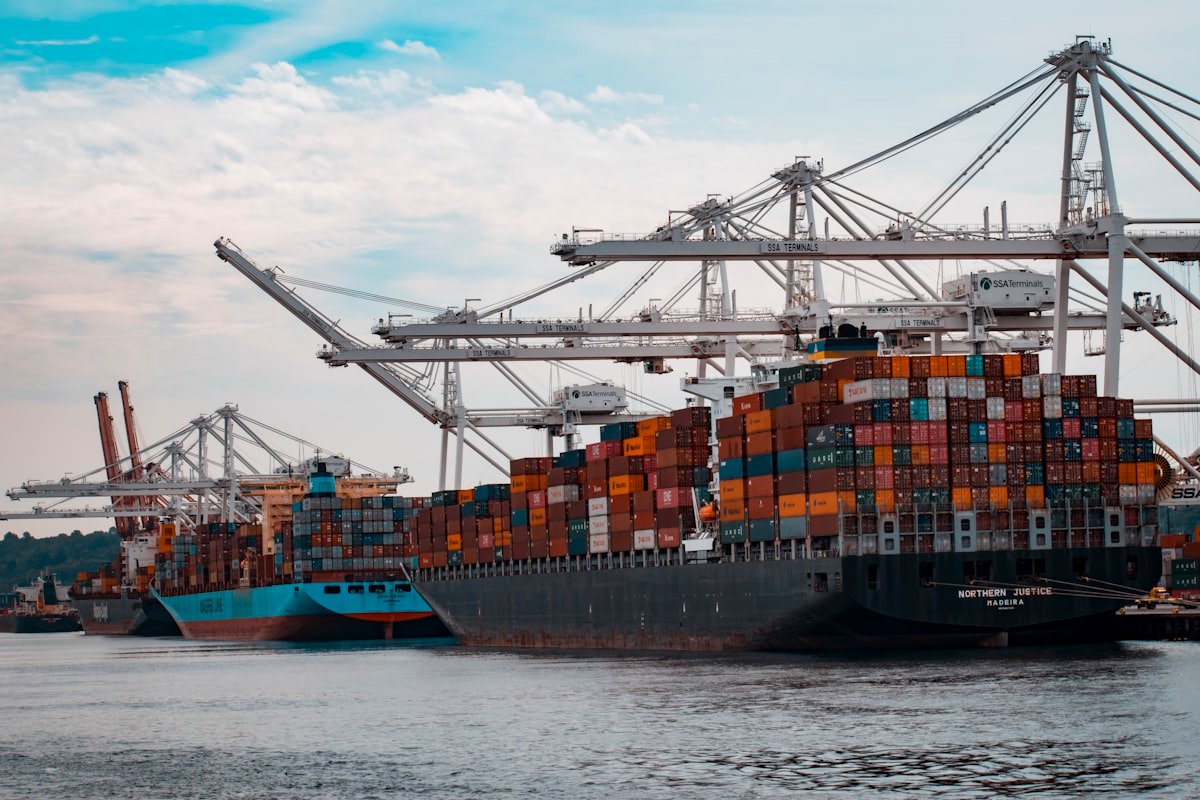
    The US-Iran conflict has made the Red Sea and Persian Gulf unreliable for commercial shipping. Vessels are rerouting around the Cape of Good Hope, adding 10-14 days and significant cost to Asia-Europe shipments.

    2. US-China Tariff Escalation

    At 145% tariffs on Chinese goods, North American buyers cannot source from China competitively. This is pushing demand to alternative manufacturers and creating capacity constraints in some regions.

    3. Raw Material Price Volatility

    Oil price instability is driving synthetic fabric cost increases. Cotton prices remain elevated due to weather events in key growing regions. Buyers are seeing fabric cost increases of 15-25% compared to 2023 levels.

    4. Freight Rate Unpredictability

    Container shipping rates have been volatile since 2020 and remain so. Spot rates can change significantly within weeks, making it difficult to lock in landed costs for large orders.

    5. Quality Consistency Challenges

    Factories under financial pressure are cutting corners. Subcontracting without disclosure, fabric substitution, and certification fraud are all more common than they were three years ago.

    What Resilient Buyers Are Doing

    • Qualifying multiple suppliers — Not just as backup, but as active partners with regular orders to maintain relationships and production slots.
    • Ordering with longer lead times — Building 60-90 day buffers into procurement cycles to absorb shipping delays.
    • Requesting factory audits — Verifying that the factory you are buying from is the factory actually making your garments.
    • Prioritising certified manufacturers — ISO 9001, OEKO-TEX, and relevant safety certifications are not just compliance checkboxes — they are indicators of operational discipline.

    UNIWORKWEAR offers factory visits and third-party audit support for buyers who want to verify our production capabilities before placing large orders. Contact us to arrange.

  • China\’s Economy in 2026: Why the Workwear Industry Is More Exposed Than You Think

    China\’s Economy in 2026: Why the Workwear Industry Is More Exposed Than You Think

    China’s economic situation in 2026 is more complex — and more fragile — than official statistics suggest. For B2B buyers sourcing workwear and uniforms, understanding the real picture matters because it directly affects supplier reliability, quality consistency, and long-term partnership viability.

    The Property Crisis Is Still Unresolved

    China’s property sector crisis, which began with Evergrande in 2021, remains unresolved in 2026. Hundreds of billions in developer debt have been restructured but not eliminated. Consumer confidence remains suppressed, domestic demand is weak, and local government finances — which fund much of the infrastructure that supports manufacturing — are under severe strain.

    For garment factories, this means reduced domestic orders, pressure to export at any price, and a workforce that is increasingly mobile and difficult to retain.

    Youth Unemployment and the Labour Supply Problem

    China’s official youth unemployment rate peaked above 21% in 2023 before the government stopped publishing the data. The underlying reality — a mismatch between the skills of a university-educated generation and the manual labour demands of garment manufacturing — has not improved.

    Factories are struggling to maintain skilled workforces. Experienced sewers and quality control staff are leaving the industry. The result is inconsistent quality, higher defect rates, and longer training cycles for new workers.

    The Export Dependency Trap

    With domestic demand weak and the property sector depressed, Chinese manufacturing is more dependent on exports than at any point in the past decade. But exports are under pressure from tariffs, geopolitical tensions, and competition from lower-cost manufacturers in other regions.

    This creates a dangerous dynamic: factories need export orders to survive, which means they will accept orders at margins that are not sustainable. Buyers who lock in long-term contracts with financially stressed Chinese suppliers are taking on more risk than they realise.

    The Honest Assessment

    China will remain a major manufacturing country. But the era of uncomplicated, low-risk, low-cost sourcing from China is over. Buyers who treat it as such are operating on assumptions that no longer reflect reality. Diversification is not a hedge — it is a necessity.

  • US Tariffs at 145%: The Death of Chinese Workwear Exports to North America

    US Tariffs at 145%: The Death of Chinese Workwear Exports to North America

    Let us be direct: at 145% tariffs, Chinese workwear is no longer commercially viable for the North American market. This is not a temporary trade dispute — it is a structural shift that is reshaping global uniform supply chains in 2026.

    What 145% Tariffs Actually Mean

    If a Chinese factory quotes you $10 per unit for a work polo shirt, the landed cost in the United States after tariffs is approximately $24.50 — before freight, customs brokerage, or your own margin. The same garment from a non-tariffed manufacturer at $12 per unit lands at $12 plus freight. The math is not close.

    For large uniform programs — 5,000 pieces or more — the tariff differential alone can represent hundreds of thousands of dollars in additional cost. No procurement manager can justify that to their finance team.

    The Ripple Effects Beyond North America

    The impact extends beyond direct US imports. Chinese factories that previously relied on North American orders are now flooding other markets — Europe, Australia, the Middle East — with discounted inventory to maintain cash flow. This creates short-term pricing pressure but also quality risks, as factories cut corners to compete on price.

    It also means that Chinese suppliers quoting aggressively to non-US buyers may be doing so from a position of financial stress, not competitive strength. That is a supply chain risk that does not show up in a price comparison spreadsheet.

    Where Are Buyers Sourcing Instead?

    The shift is real and measurable. Buyers who previously sourced exclusively from China are actively qualifying alternative manufacturers in other regions. The criteria are consistent: competitive pricing, verified quality certifications, transparent production, and the ability to handle the volumes that China previously absorbed.

    UNIWORKWEAR has seen a significant increase in inquiries from North American distributors and procurement teams in 2025-2026. Our factory-direct pricing, ISO certifications, and established export infrastructure make us a credible alternative for buyers navigating this transition.

  • The US-Iran Conflict in 2026: How a Middle East War Is Raising Your Uniform Costs

    The US-Iran Conflict in 2026: How a Middle East War Is Raising Your Uniform Costs

    Most procurement managers do not connect a military conflict in the Persian Gulf to the price of their staff uniforms. They should. The ongoing US-Iran conflict is one of the most underreported drivers of workwear cost increases in 2026 — and it is not going away soon.

    The Strait of Hormuz: The World’s Most Important Shipping Chokepoint

    Approximately 20% of global oil passes through the Strait of Hormuz. When tensions escalate — as they have repeatedly since late 2024 — shipping insurance premiums spike, vessels reroute, and the cost of moving goods from Asia to Europe and the Americas increases significantly.

    For workwear buyers, this translates directly into higher freight quotes, longer lead times, and suppliers passing on cost increases with little notice.

    Oil Prices and Synthetic Fabric Costs

    Polyester, nylon, and other synthetic fabrics used in workwear are petroleum derivatives. When oil prices spike due to Middle East instability, fabric costs follow within weeks. Chinese factories, which rely heavily on synthetic blends for industrial and hi-vis workwear, have been passing these increases directly to buyers.

    In Q1 2026, polyester fabric prices increased by an estimated 18-22% compared to the same period in 2024. For a buyer ordering 10,000 pieces of hi-vis workwear, this is not a rounding error — it is a significant budget impact.

    Red Sea Rerouting: 14 Extra Days You Did Not Budget For

    Many shipping lines have rerouted vessels away from the Red Sea and Suez Canal, adding 10 to 14 days to transit times from Asia to Europe. For B2B buyers with tight uniform rollout schedules — new staff onboarding, seasonal changeovers, compliance deadlines — this is a serious operational risk.

    What Buyers Are Doing About It

    The buyers who are managing this well are doing three things: ordering earlier to absorb transit delays, diversifying their supplier base to reduce single-country exposure, and working with manufacturers who have multiple freight options and established logistics partnerships.

    UNIWORKWEAR ships to 40+ countries with multiple carrier options and can advise on routing based on current conditions. Request a quote to discuss your specific timeline requirements.

  • Why Chinese Workwear Factories Are Struggling in 2026 — And What B2B Buyers Should Do Instead

    Why Chinese Workwear Factories Are Struggling in 2026 — And What B2B Buyers Should Do Instead

    The global workwear sourcing landscape has shifted dramatically in 2026. While Chinese manufacturers dominated B2B uniform supply chains for decades, a combination of geopolitical pressure, factory closures, and supply chain disruptions is forcing international buyers to rethink their sourcing strategy.

    The Hidden Crisis Inside Chinese Workwear Factories

    On the surface, Chinese factories still appear to be operating normally. Alibaba listings are active, sample requests are being answered, and prices look competitive. But behind the scenes, the situation is far more fragile than most buyers realise.

    • Rising labour costs — Minimum wages in key manufacturing provinces like Guangdong and Zhejiang have increased by over 30% since 2022, eroding the cost advantage that made China attractive.
    • Factory consolidation and closures — Thousands of small and mid-size garment factories have closed since 2023. Many that remain are operating at reduced capacity or have pivoted to domestic orders.
    • US tariffs exceeding 145% — Chinese workwear is effectively shut out of the North American market, creating ripple effects across global pricing and factory viability.
    • Shipping route disruptions — The ongoing US-Iran conflict in the Persian Gulf has pushed freight costs and lead times to unpredictable levels.

    What Chinese Factories Are Not Telling You

    The most concerning aspect is not what is happening — it is what suppliers are not disclosing:

    • Subcontracting without disclosure — Factories under capacity pressure are quietly subcontracting to smaller, unvetted workshops. Quality control becomes impossible to enforce.
    • Fabric substitution — With raw material costs rising, some factories substitute specified fabrics with cheaper alternatives. This is particularly dangerous for hi-vis and safety-rated workwear.
    • Certification fraud — Demand for certified workwear has increased, but so has the circulation of fraudulent or expired certificates from suppliers under commercial pressure.

    The Smart Buyer Response

    Experienced procurement teams are diversifying their manufacturing base. Key criteria: geographic stability outside conflict-adjacent shipping routes, verified certifications (ISO 9001, OEKO-TEX, EN ISO 20471), transparent production with no subcontracting, and flexible MOQs for risk-managed testing.

    UNIWORKWEAR operates as a direct factory manufacturer with full in-house production — no subcontracting, no hidden workshops. Our facility produces over 500,000 garments monthly for B2B clients across 40+ countries, with established freight partnerships that route around current conflict zones.

  • How to Choose the Right Workwear for Your Industry

    How to Choose the Right Workwear for Your Industry

    Choosing the wrong workwear costs more than money — it costs productivity, safety, and your company’s professional image. Whether you’re outfitting a construction crew, a hotel staff, or a warehouse team, the right work uniform makes a measurable difference.

    This guide breaks down exactly what to look for when selecting workwear, based on your specific industry and needs.

    Why Workwear Selection Matters

    Work uniforms aren’t just clothing. They serve three critical functions:

    • Safety — protecting workers from hazards like heat, chemicals, low visibility, and sharp objects
    • Professionalism — creating a consistent brand image that builds trust with clients
    • Comfort and productivity — workers who are comfortable move better, focus better, and stay longer

    A poor choice in any of these areas leads to higher turnover, safety incidents, and a weaker brand presence.

    Workwear by Industry: What You Actually Need

    Construction and Heavy Industry

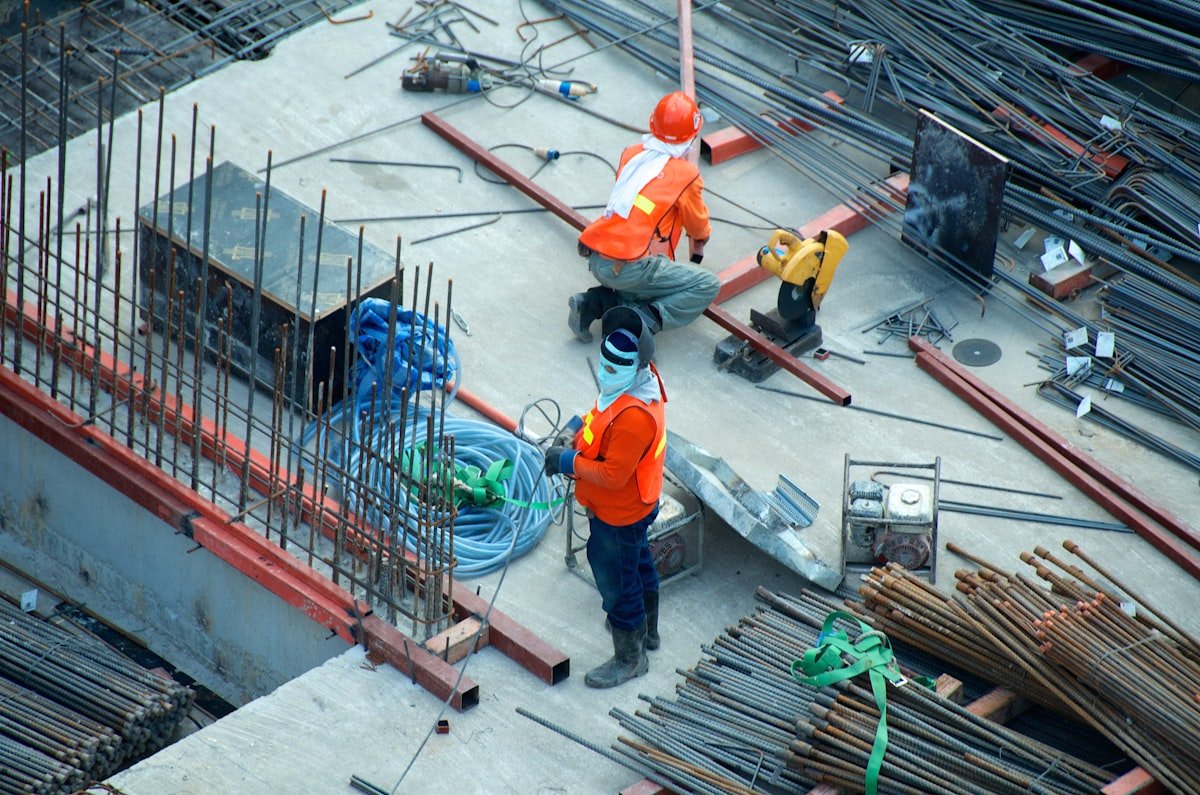
    Construction sites demand the highest level of protection. Your workwear checklist should include:

    • Hi-vis jackets and vests — EN ISO 20471 certified for European markets, ANSI/ISEA 107 for North America
    • Flame-resistant fabrics — essential for welding, electrical work, and oil & gas environments
    • Reinforced knees and elbows — extends garment life in physically demanding roles
    • Multi-pocket cargo designs — workers need tools within reach at all times

    Fabric choice matters here. Look for poly-cotton blends (65/35) for durability and breathability, or 100% cotton for flame-resistant applications.

    Hospitality — Hotels, Restaurants, and Catering

    In hospitality, your staff’s appearance is your brand. Guests judge your establishment within seconds of walking in.

    • Chef coats and kitchen uniforms — breathable, stain-resistant, easy to wash at high temperatures
    • Front-of-house uniforms — tailored fits, premium fabrics, brand colors and embroidery
    • Housekeeping uniforms — comfortable, durable, professional without being restrictive

    For hospitality, fabric weight matters. Lighter fabrics (150–180 GSM) keep staff comfortable during long shifts in warm environments.

    Healthcare and Medical

    Medical workwear must balance hygiene, comfort, and functionality:

    • Scrubs — antimicrobial fabrics that withstand industrial laundering
    • Lab coats — fluid-resistant, easy to remove in emergencies
    • Comfortable fits — healthcare workers are on their feet 12+ hours

    Polyester-rayon blends are popular in healthcare for their wrinkle resistance and color retention after repeated washing.

    Corporate and Office

    Corporate uniforms build brand identity and create a sense of team unity:

    • Polo shirts and button-downs — with embroidered company logos
    • Blazers and tailored trousers — for client-facing roles
    • Casual branded apparel — for tech companies and startups with a relaxed dress code

    The key here is consistency. Every employee wearing the same quality, well-fitted uniform reinforces your brand at every customer touchpoint.

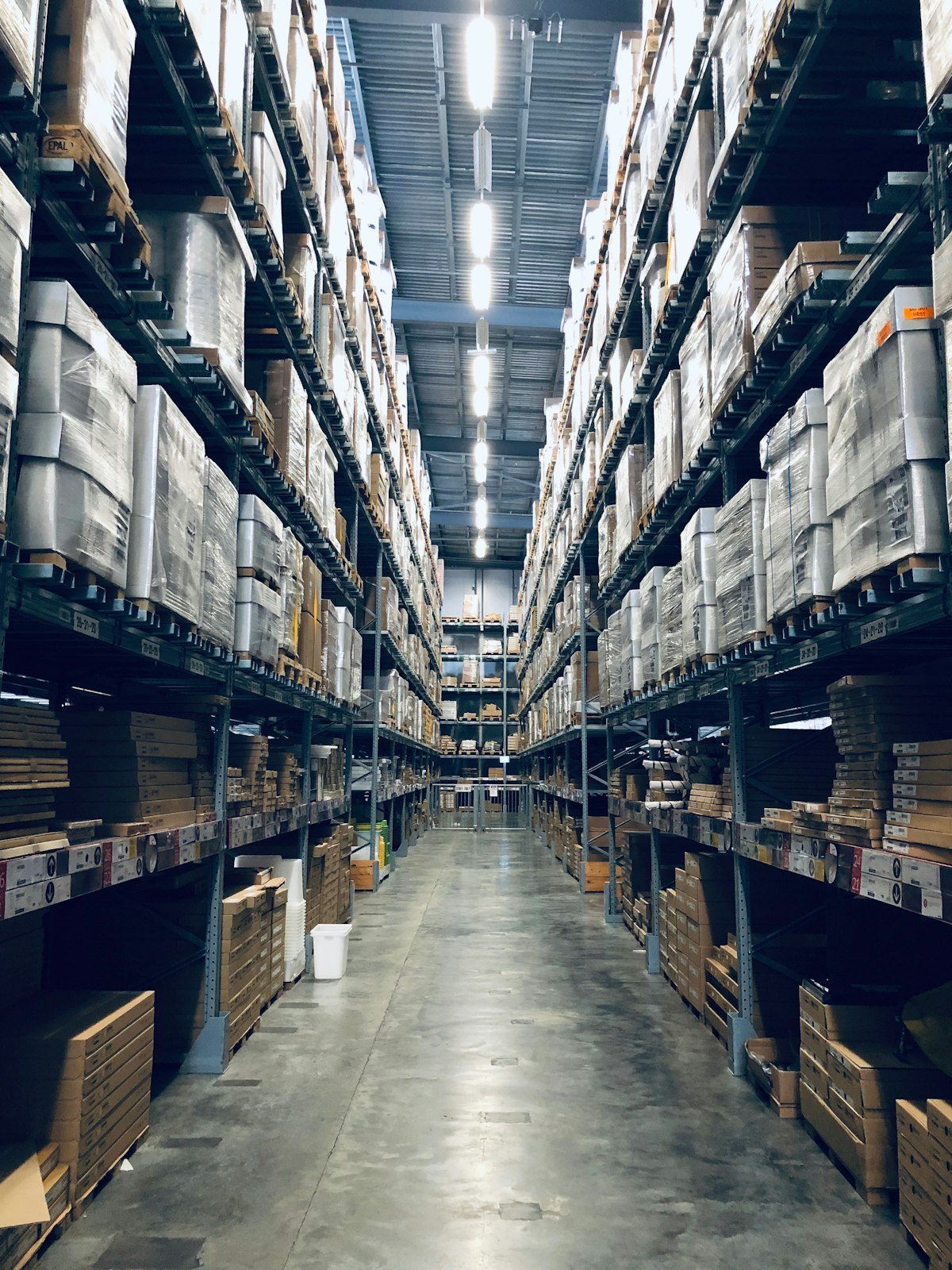
    Logistics and Warehousing

    Warehouse workers need freedom of movement and visibility:

    • Hi-vis polo shirts or t-shirts — lighter than jackets, suitable for indoor environments
    • Stretch-fit trousers — for bending, lifting, and climbing
    • Reflective strips — critical in environments with forklifts and heavy machinery

    5 Key Factors When Choosing a Workwear Supplier

    Once you know what your industry requires, choosing the right supplier is the next critical decision:

    1. Fabric Quality and Certifications

    Ask for fabric specifications — GSM weight, composition, and relevant safety certifications. A reliable manufacturer will provide test reports and compliance documentation without hesitation.

    2. Customization Capabilities

    Your workwear should carry your brand. Look for a supplier that offers embroidery, screen printing, heat transfer, sublimation, and custom labels. The more options available, the better you can match your brand guidelines.

    3. Minimum Order Quantities (MOQ)

    Factory-direct manufacturers typically require MOQs ranging from 300 to 1,000 pieces per style. This keeps per-unit costs low. If you need smaller quantities, look for suppliers with flexible MOQ policies or stock programs.

    4. Lead Time and Reliability

    Standard production lead times for custom workwear range from 30 to 45 days. Factor in shipping time based on your location. A good supplier communicates proactively about production milestones and potential delays.

    5. OEM/ODM and Private Label Options

    If you’re building your own workwear brand, you need a manufacturer that supports private label production — your designs, your labels, your packaging. OEM (Original Equipment Manufacturing) means the factory produces to your exact specifications. ODM (Original Design Manufacturing) means the factory offers existing designs you can customize and rebrand.

    Common Mistakes to Avoid

    • Choosing price over quality — cheap workwear wears out fast, costing more in replacements
    • Ignoring worker feedback — the people wearing the uniforms daily know what works and what doesn’t
    • Skipping size sampling — always request samples across your size range before placing a bulk order
    • Overlooking compliance — safety standards vary by country and industry, non-compliance can result in fines or worse

    Ready to Source the Right Workwear?

    At UNIWORKWEAR, we manufacture work uniforms for every industry — from hi-vis construction gear to tailored hospitality uniforms. With 15+ years of factory-direct production, we supply B2B buyers across 40+ countries with fully customized, certified workwear.

    What we offer:

    • OEM, ODM, and private label manufacturing
    • Full customization — embroidery, printing, custom labels and packaging
    • Certifications: EN ISO 20471, OEKO-TEX, and more
    • Flexible MOQs starting from 300 pieces
    • 30–45 day production lead time

    Request a free quote today and tell us what your team needs. We’ll send you fabric samples and a detailed proposal within 48 hours.

    Related guides:

    Explore our full product range or customization services.