Author: UNIWORKWEAR

  • The Real Winners of the US-Iran Conflict: Why China’s Manufacturing Position Has Strengthened

    The Real Winners of the US-Iran Conflict: Why China’s Manufacturing Position Has Strengthened

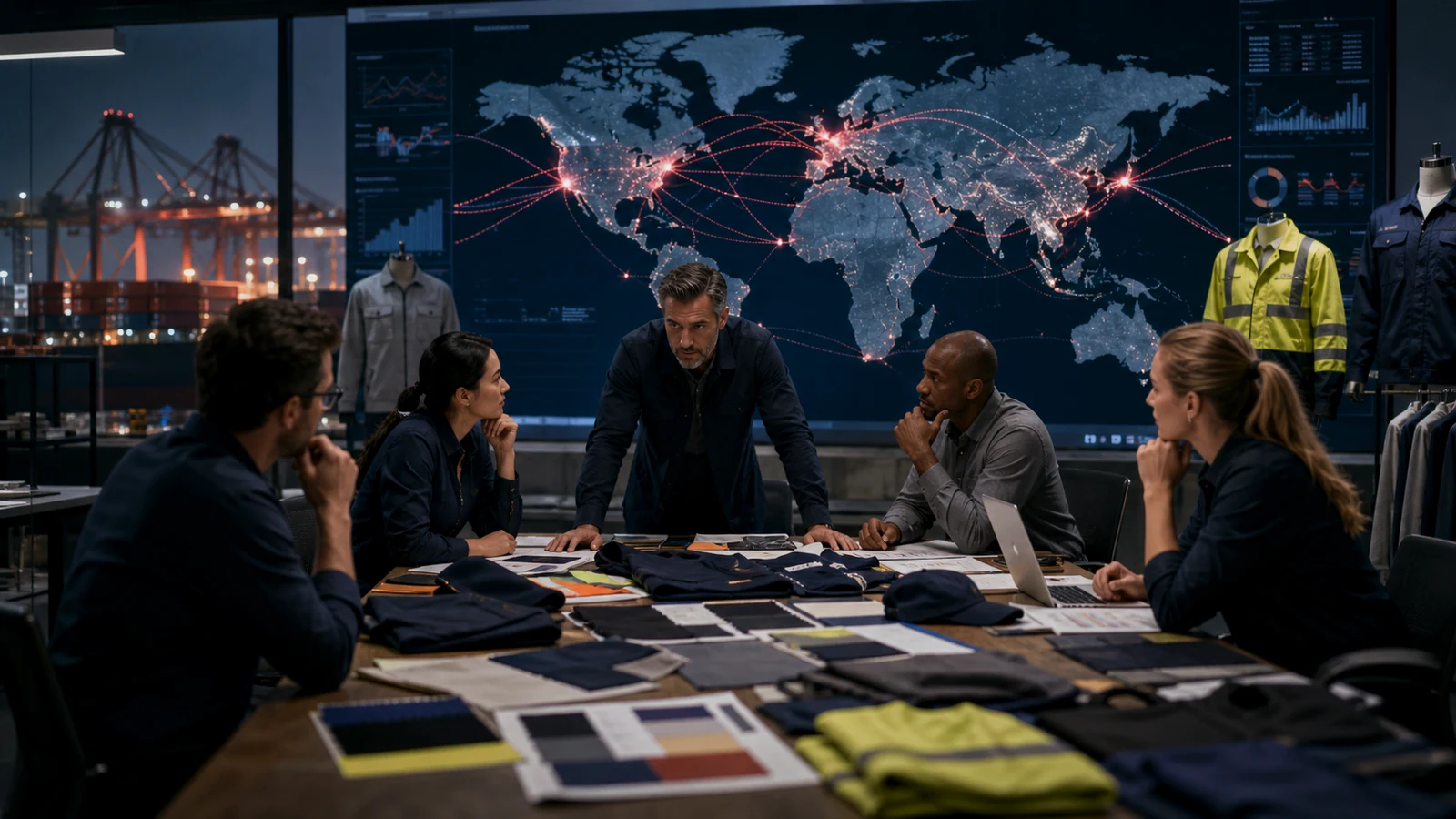
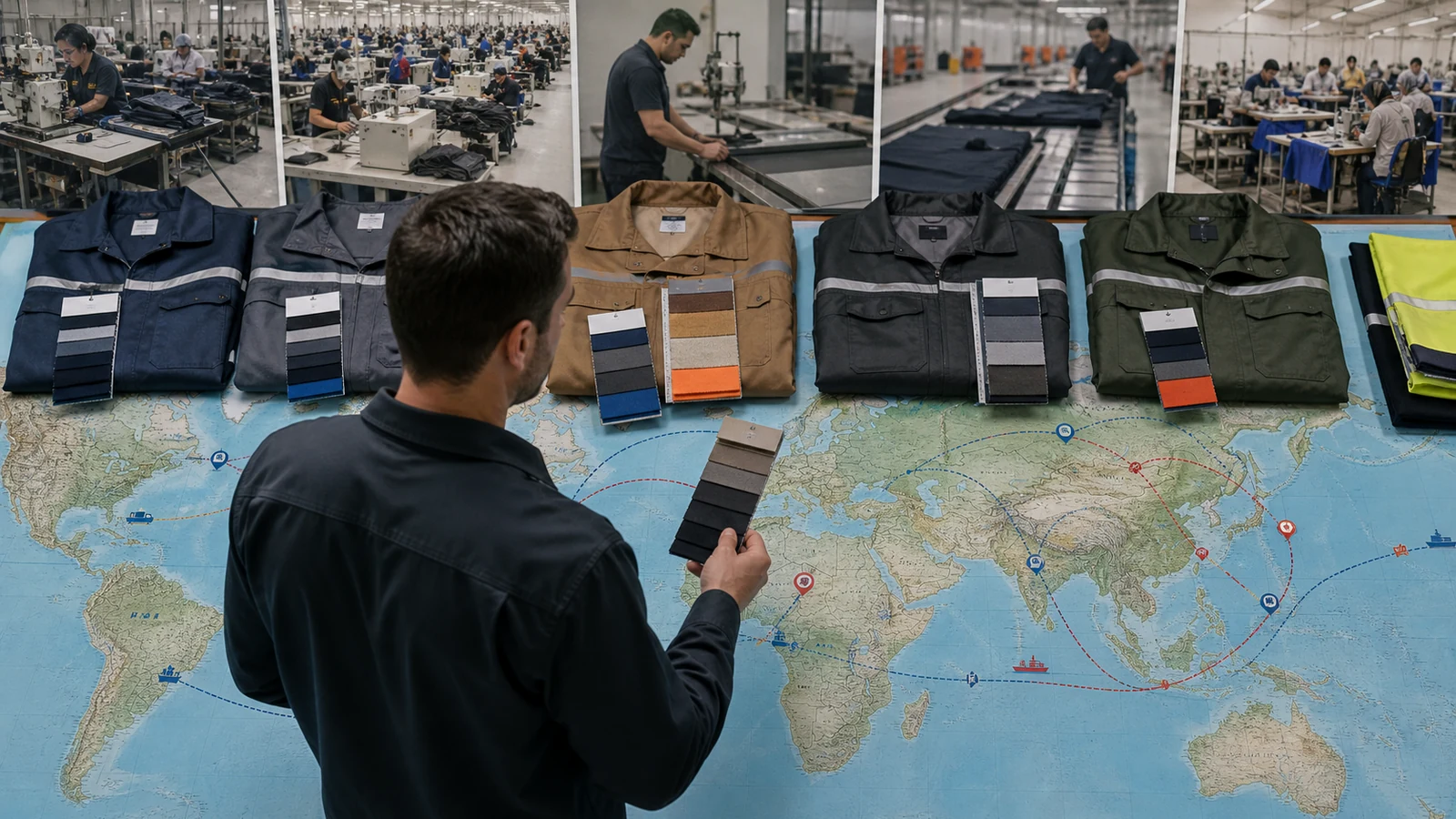
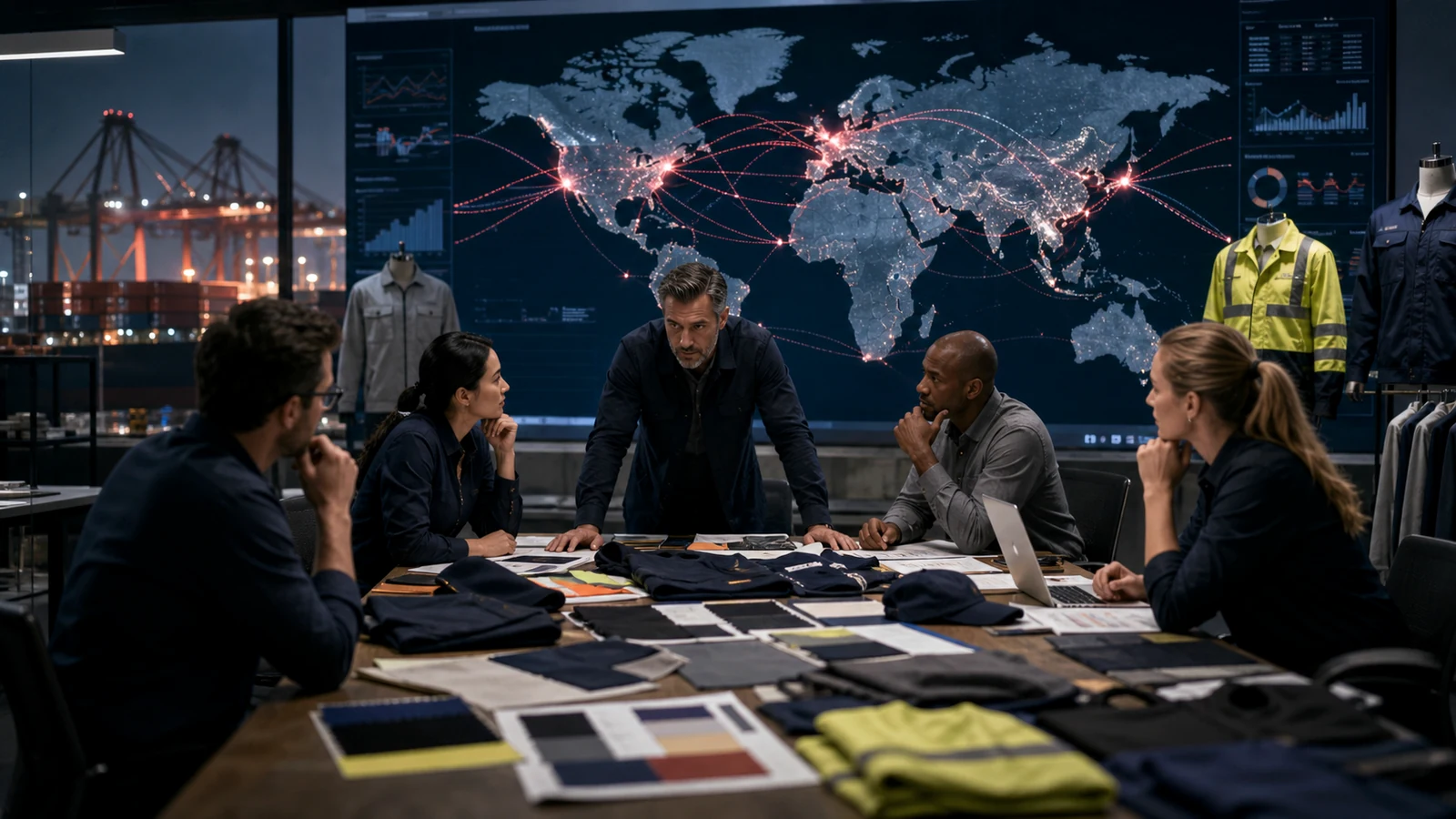
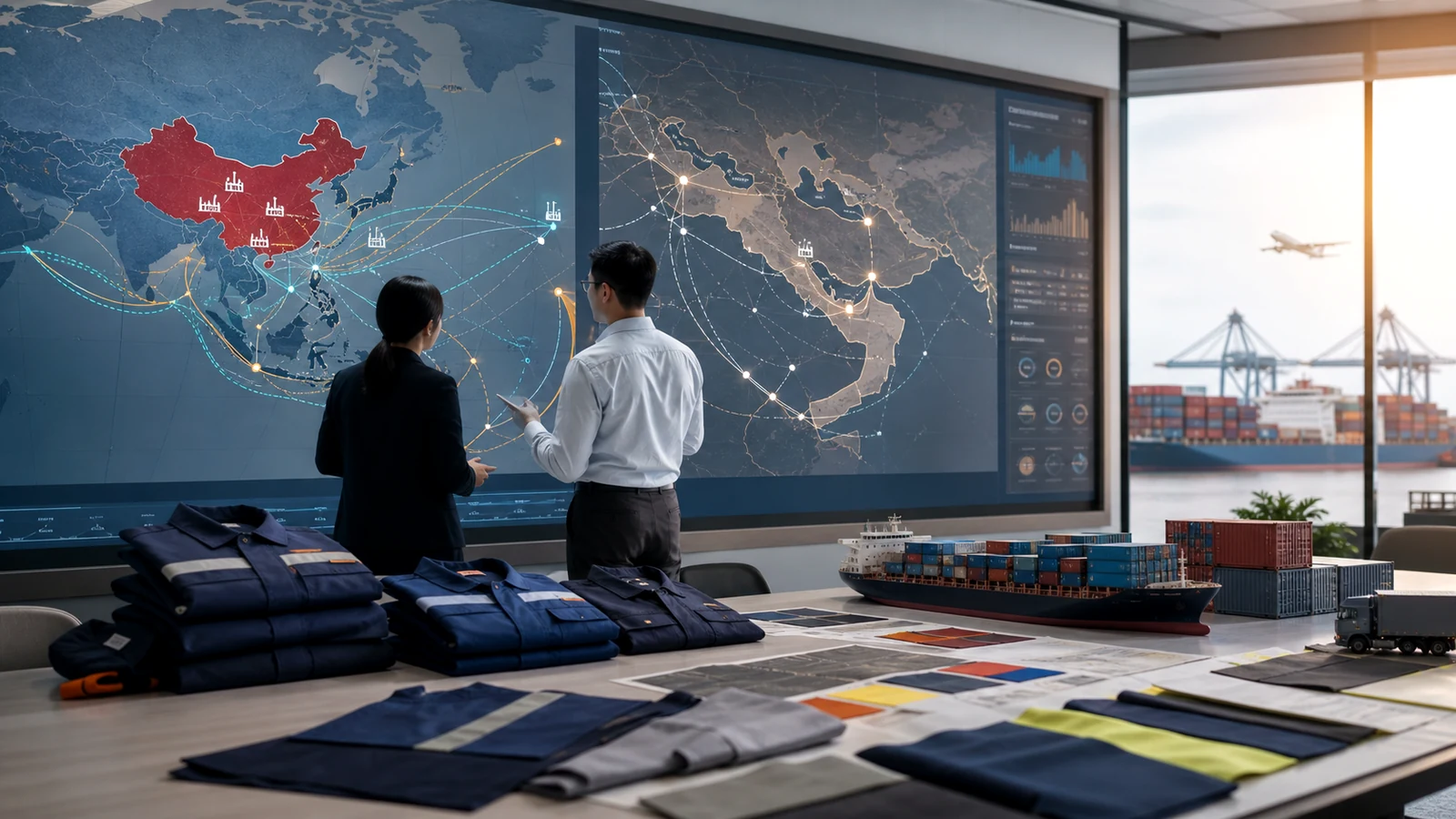
    The US-Iran conflict that has dominated headlines since late 2024 has reshuffled global trade in ways that most analysts did not predict. While Western media focuses on the disruption, a more important story is emerging: China has emerged as a strategic winner from the conflict’s economic consequences — and its manufacturing sector is stronger relative to competitors than it was before the war began.

    How the Conflict Weakened China’s Competitors

    The US-Iran conflict has hit alternative manufacturing hubs harder than it has hit China. Countries that were positioned as “China alternatives” — particularly those in South and Southeast Asia — have faced disproportionate shipping cost increases due to their geographic proximity to conflict zones and their dependence on Red Sea routing.

    Meanwhile, China’s primary export routes to Europe (via the Trans-Siberian rail corridor and Cape of Good Hope sea routes) and to Asia-Pacific markets have remained largely unaffected. China’s geographic position and its diversified logistics infrastructure have proven to be a competitive advantage in the current environment.

    China’s Shipping Resilience in 2026

    China’s top shipping firm COSCO has resumed Middle East routes amid Iran ceasefire talks, demonstrating the adaptability of Chinese logistics. Rather than abandoning the region, Chinese carriers have rerouted through ports east of the Strait of Hormuz — in Oman and the UAE — maintaining delivery schedules while avoiding the highest-risk zones.

    For buyers in Europe, Australia, and non-conflict-adjacent markets, Chinese shipping transit times have remained stable. The DSV supply chain advisory from March 2026 confirms that while Middle East routing has required adjustment, Chinese exporters have adapted more quickly than competitors.

    The Price Advantage Is Real and Measurable

    With US buyers effectively priced out of the Chinese market by 145% tariffs, Chinese factories have redirected capacity to other markets at competitive prices. China’s exports jumped 21.8% in early 2026, with the trade surplus on a record trajectory. This is not the behaviour of a manufacturing sector under existential pressure — it is the behaviour of a sector that has found new markets and is competing aggressively for them.

    For workwear buyers in Europe, the Middle East, and Asia-Pacific, this translates to lower factory prices, more flexible MOQs, and faster sample turnaround as Chinese factories compete for non-US business.

    What Smart Buyers Are Doing

    The buyers who are navigating this environment most effectively are not choosing between China and alternatives — they are qualifying both and making decisions based on total cost of ownership, quality verification, and supply chain risk assessment.

    UNIWORKWEAR offers a direct comparison point. Our factory-direct pricing, ISO certifications, and established global logistics make us a credible alternative for buyers who want verified quality alongside competitive pricing. Request a quote and compare directly with your current Chinese suppliers.

  • China’s .2 Trillion Trade Surplus in 2026: What It Means for Global Workwear Prices

    China’s .2 Trillion Trade Surplus in 2026: What It Means for Global Workwear Prices

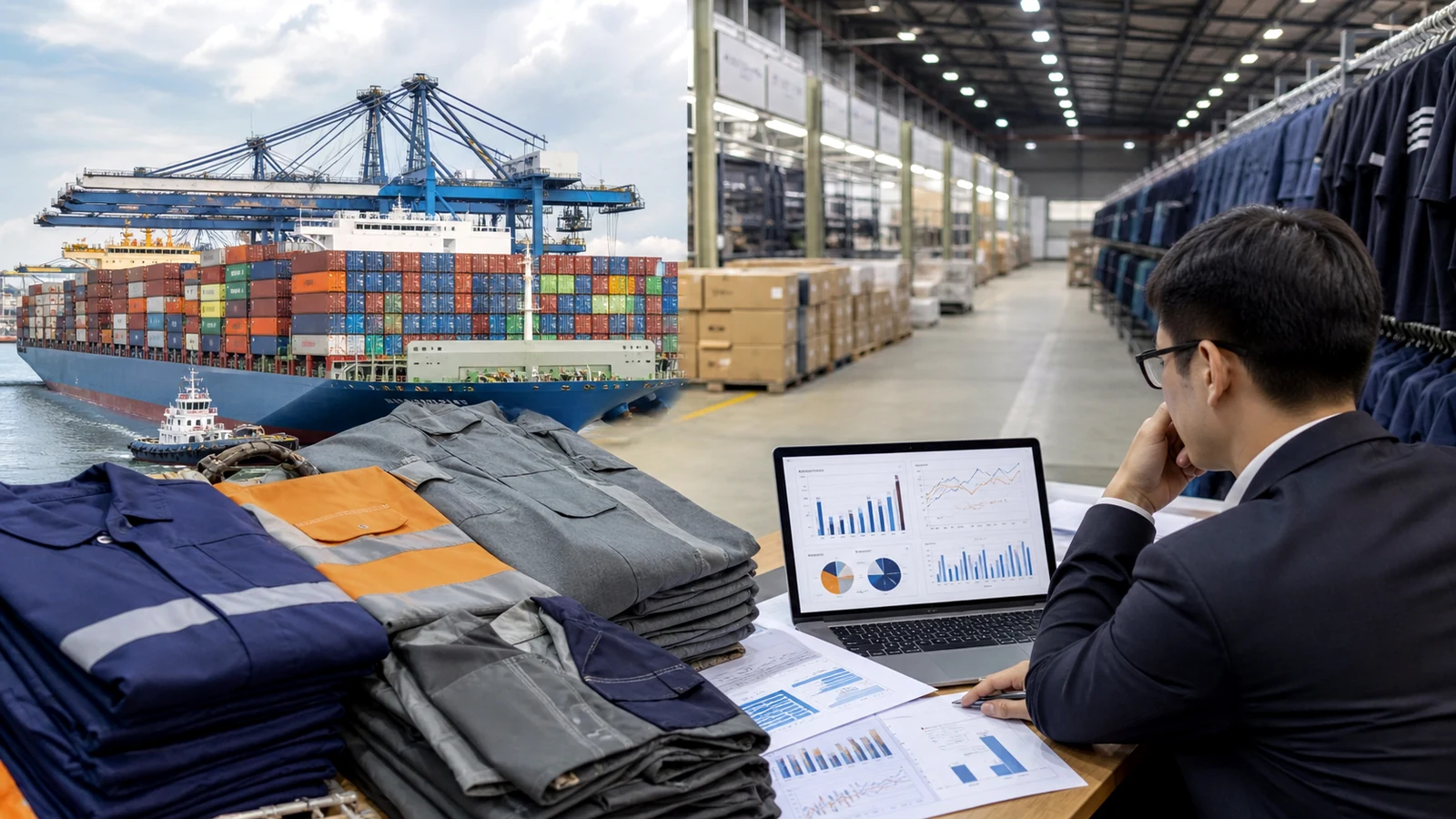
    China recorded a $1.2 trillion goods trade surplus in 2025 — the first time any country has ever crossed the trillion-dollar mark. In the first two months of 2026, the surplus hit $213.62 billion, massively beating expectations. Exports grew 21.8% year-on-year.

    This is not the story of a country being crushed by trade war. This is the story of the world’s largest manufacturer finding new customers at scale — and cutting prices to do it.

    Why China’s Surplus Is Growing Despite US Tariffs

    The US tariffs removed one major buyer from China’s customer base. But China did not reduce production — it redirected it. China’s export pivot to Africa and Latin America has driven a significant trade surge, with 21.8% export growth in early 2026 defying all tariff pressure.

    The Northern Trust analysis confirms: “China closed the year with a record goods trade surplus of $1.2 trillion, crossing the trillion-dollar mark for the first time. Tariffs did bite in one place: shipments to the United States fell roughly 30%. But Chinese exporters replaced most of that volume with shipments to other markets.”

    For workwear and uniform buyers, this dynamic has a direct consequence: Chinese factories are hungry for non-US orders and are pricing aggressively to win them.

    What This Means for Workwear Prices in 2026

    Factory gate prices for standard workwear categories have declined in 2026 compared to 2024 peaks:

    • Basic work polos and t-shirts — down 12-18% from 2024 highs as factories compete for European and Middle Eastern orders
    • Industrial coveralls — down 10-15% as capacity previously allocated to US buyers becomes available
    • Hi-vis workwear — more stable due to certification requirements, but still 8-12% below 2024 levels for non-certified versions
    • Corporate uniforms — significant price competition as hospitality and corporate sectors in Asia and the Middle East are targeted aggressively

    The Catch: Quality Risks Are Rising Alongside Price Cuts

    Price cuts under financial pressure are not always clean. Industry analysis from 2026 warns: “You may notice Chinese factories offering price reductions, flexible payment terms, and even customization options. However, you must stay alert for quality compromises or financial instability.”

    The buyers who benefit from China’s price competition are those who verify quality rigorously — through samples, factory audits, and independent testing — rather than simply accepting the lowest quote.

    UNIWORKWEAR: Competitive Pricing, Verified Quality

    We monitor the global workwear market closely. Our pricing is competitive with current Chinese factory quotes for non-US buyers, and we offer something Chinese factories under financial pressure cannot: ISO 9001 certification, OEKO-TEX compliance, and full production transparency with no subcontracting.

    Compare our quotes directly. We welcome the comparison.

  • China Is Winning the Trade War in 2026 — And Workwear Buyers Outside the US Are Benefiting

    China Is Winning the Trade War in 2026 — And Workwear Buyers Outside the US Are Benefiting

    While Washington celebrates its tariff war on China, the data tells a different story. China’s trade surplus hit a record $1.2 trillion in 2025 — the first time it has ever crossed the trillion-dollar mark. In the first two months of 2026 alone, exports surged 21.8% year-on-year, with a trade surplus of $213.62 billion, far exceeding analyst expectations of $179.6 billion.

    The US tariffs did not break China. They redirected it. And for B2B buyers in Europe, Australia, the Middle East, and Asia, that redirection is creating a significant pricing opportunity right now.

    What Actually Happened When the US Imposed 145% Tariffs

    The logic behind the tariffs was simple: make Chinese goods too expensive for American buyers, force manufacturing back to the US, and weaken China’s export economy. The reality has been almost the opposite.

    Chinese factories that previously shipped 30-40% of their output to the United States have had to find new customers — fast. They found them. Africa, Latin America, Southeast Asia, Europe, and the Middle East have all absorbed significant volumes of Chinese exports that previously went to North America. China’s export growth to these regions in 2025-2026 has been dramatic.

    The consequence for non-US buyers: Chinese factories are competing aggressively for your business. Factory gate prices for workwear, uniforms, and industrial garments have dropped meaningfully as manufacturers fight for order volume to replace lost US revenue.

    The Numbers Are Real

    According to data from the US Federal Reserve’s March 2026 analysis, China’s trade surplus exceeded 6% of its GDP in 2025 — a new milestone. CNBC reported that despite Trump’s tariff efforts, China’s manufacturing export strength has proven resilient, with the surplus driven by redirected trade flows rather than US-bound shipments.

    For workwear specifically, this means factories that were quoting $8-10 per unit for basic industrial garments are now quoting $6-7.50 to non-US buyers. The price compression is real and it is happening now.

    Shipping From China: Still Fast, Still Reliable for Non-US Routes

    The narrative that Chinese shipping is disrupted is largely a US-centric story. For buyers in Europe, the Middle East, and Asia-Pacific, Chinese shipping remains highly competitive. China’s top shipping firm COSCO has resumed Middle East routes, routing cargo through ports east of the Strait of Hormuz to avoid conflict zones while maintaining delivery schedules.

    Transit times from Chinese ports to Rotterdam, Dubai, Sydney, and Singapore remain largely unchanged. The disruption is concentrated on US-bound routes and Red Sea crossings — not on the broader global network that serves most B2B workwear buyers.

    Where UNIWORKWEAR Fits In

    We are not a Chinese factory. We are a direct manufacturer with established export infrastructure serving 40+ countries. We offer what Chinese factories currently cannot: verified certifications, transparent production with no subcontracting, and the ability to ship to North American buyers without tariff exposure.

    For buyers outside the US who are evaluating Chinese suppliers alongside alternatives, we offer a straightforward comparison: request samples from both, compare quality and lead times, and make a decision based on evidence rather than assumptions. We are confident in that comparison.

    Request a quote or samples from UNIWORKWEAR today.

  • The Geopolitics of Workwear: How Global Conflicts Are Reshaping Uniform Manufacturing in 2026

    The Geopolitics of Workwear: How Global Conflicts Are Reshaping Uniform Manufacturing in 2026

    Workwear is not usually discussed in the same breath as geopolitics. It should be. The decisions made in Washington, Beijing, and Tehran are directly shaping where uniforms are made, how much they cost, and how reliably they can be delivered. This is the honest analysis that most industry publications are too cautious to publish.

    The US-China Trade War: No End in Sight

    The trade conflict between the United States and China is not a temporary disruption — it is a structural realignment of the global economy. The 145% tariffs on Chinese manufactured goods represent a political commitment that will not be reversed regardless of which administration is in power. The bipartisan consensus in Washington on China economic policy is one of the few areas of genuine agreement in American politics.

    For workwear buyers, this means that any supply chain strategy built on Chinese manufacturing for North American markets is not viable. This is not a prediction — it is the current reality.

    The US-Iran Conflict: Underreported and Underestimated

    The ongoing military and economic conflict between the United States and Iran receives less coverage than it deserves in business media. The practical consequences for global trade are significant: shipping insurance premiums in the Persian Gulf region have increased by 300-400% since 2024, multiple shipping lines have suspended Red Sea services, and oil price volatility has become a permanent feature of the market rather than an occasional spike.

    For workwear manufacturers and buyers, the impact is felt through higher freight costs, longer transit times, and unpredictable raw material pricing. These are not temporary conditions — they reflect a geopolitical reality that is unlikely to resolve quickly.

    The Emerging Manufacturing Landscape

    The disruption of Chinese manufacturing dominance and the instability of Middle East shipping routes is accelerating the development of alternative manufacturing hubs. Buyers who are ahead of this shift are building relationships with manufacturers in regions that offer competitive pricing, quality production, and stable logistics.

    The manufacturers who will win in this environment are those who can offer genuine quality, verified certifications, transparent production, and the logistical capability to navigate a complex global shipping environment. That is the standard UNIWORKWEAR holds itself to.

    Our Position

    We believe in saying what is true rather than what is comfortable. The global workwear sourcing environment is more complex and more risky than it was five years ago. Buyers who acknowledge this and adapt their sourcing strategy accordingly will be better positioned than those who continue to operate on outdated assumptions. We are here to be part of that adaptation.

  • Workwear MOQs in 2026: Why Low Minimum Orders Are Now a Competitive Advantage

    Workwear MOQs in 2026: Why Low Minimum Orders Are Now a Competitive Advantage

    Minimum order quantities have always been a friction point in B2B workwear sourcing. In 2026, the ability to offer genuinely low MOQs has become a significant competitive differentiator — and the reasons why are worth understanding.

    Why Traditional MOQs Are a Problem in the Current Environment

    The standard argument for high MOQs — economies of scale in fabric purchasing, cutting, and production setup — has not changed. But the risk environment has. Buyers who commit to 5,000-piece minimum orders in 2026 are taking on risks that did not exist three years ago:

    • Quality risk — If the first large order has quality issues, the financial exposure is significant
    • Supplier risk — If the factory closes or changes ownership mid-production, the buyer loses their deposit and their timeline
    • Market risk — Uniform programs change. Staff numbers fluctuate. A 5,000-piece order for a company that downsizes by 30% becomes a warehouse problem

    The Case for Starting Small

    The most effective way to qualify a new workwear supplier in 2026 is to place a small initial order — 50 to 200 pieces — and evaluate the result before scaling. This approach:

    • Limits financial exposure during the qualification phase
    • Provides real production samples rather than specially made showcase pieces
    • Tests the supplier’s communication, logistics, and after-sales support
    • Builds the relationship before committing to large volumes

    What Low MOQ Actually Means

    Not all low MOQ claims are equal. Some factories offer low MOQs on standard styles but require high MOQs for custom colours, embroidery, or fabric specifications. Others offer low MOQs but charge premium prices that make the economics unworkable at scale.

    The right question is not just “what is your MOQ?” but “what is your pricing at 100 pieces, 500 pieces, and 2,000 pieces, and what customisation is available at each level?”

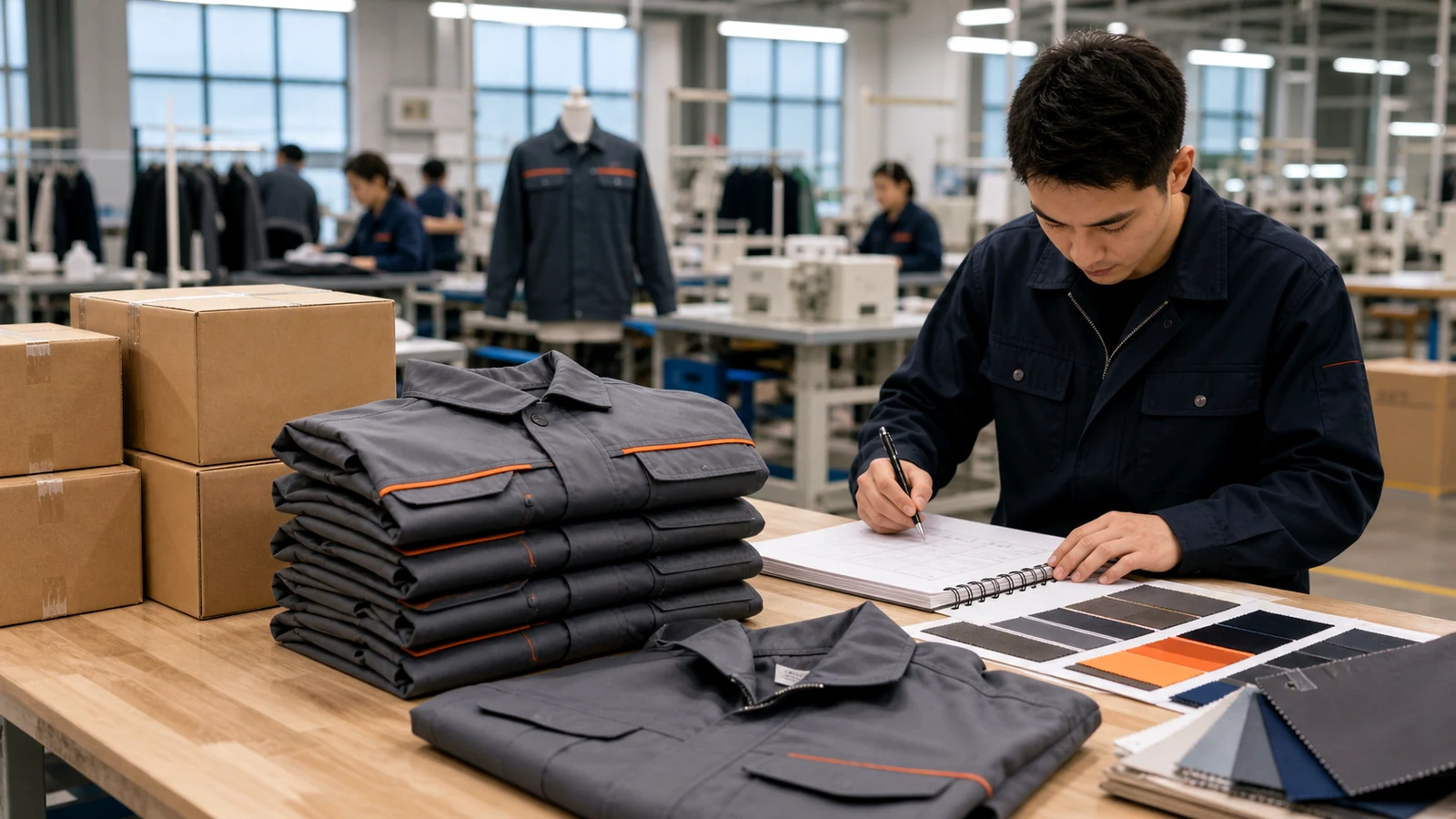
    UNIWORKWEAR offers MOQs from 50 pieces per style with full customisation available — embroidery, screen printing, custom colours, and private label. Pricing scales transparently with volume. Request a quote to see the full pricing structure for your specific requirements.

  • How to Audit a Workwear Factory Before Placing Your First Order

    How to Audit a Workwear Factory Before Placing Your First Order

    Placing a large workwear order with a factory you have never visited is a significant risk. In 2026, with supply chain fraud and quality inconsistency at elevated levels, factory auditing is not optional — it is essential due diligence. This guide covers what to look for and how to do it effectively.

    Why Factory Audits Matter More Than Ever

    The gap between what a factory presents online and what it actually is has never been wider. Professional photography, borrowed certifications, and sample garments made in a different facility are all common tactics used by factories that cannot deliver at scale. An audit closes this gap.

    The Four Types of Factory Audit

    1. Self-Assessment Questionnaire

    The minimum baseline. Ask the factory to complete a detailed questionnaire covering production capacity, workforce size, equipment, certifications, and current client list. Inconsistencies in the responses are a red flag.

    2. Virtual Audit

    A video call walkthrough of the production facility. Not as reliable as an in-person visit, but significantly better than nothing. Ask to see the cutting room, sewing floor, quality control area, and finished goods storage.

    3. Third-Party Audit

    Engage an independent audit firm (SGS, Bureau Veritas, Intertek) to conduct a social compliance and quality management audit. This is the gold standard for buyers who cannot visit in person. Cost is typically $500-1,500 per audit.

    4. In-Person Factory Visit

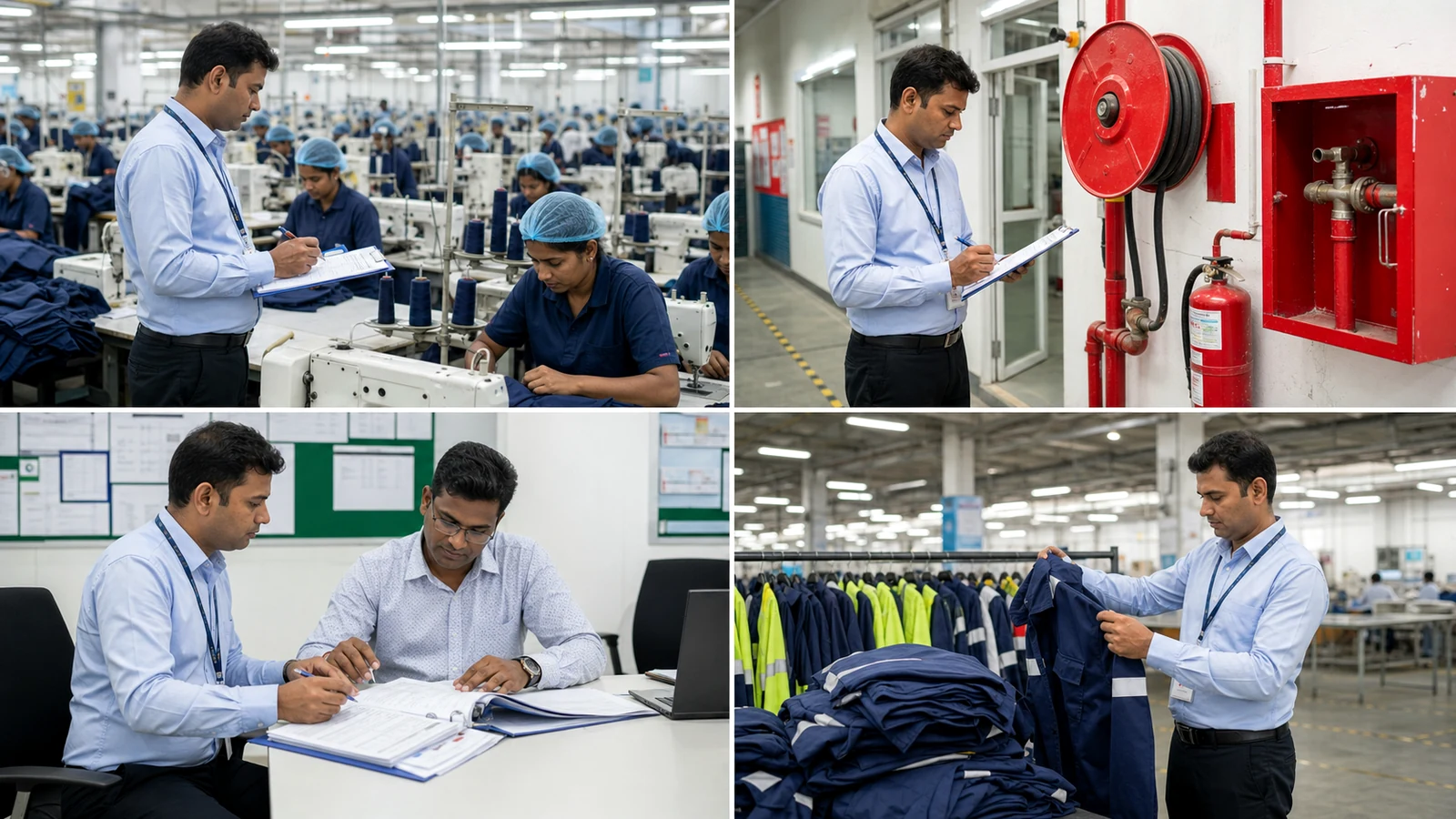
    The most reliable method. Visit during active production, not during a specially arranged showcase. Look for: actual production volume matching claimed capacity, quality control checkpoints at each production stage, worker welfare conditions, and evidence of the certifications claimed.

    Red Flags to Watch For

    • Reluctance to allow unannounced or short-notice visits
    • Certificates that cannot be verified with the issuing body
    • Production capacity claims that do not match the physical facility size
    • Inability to provide references from current clients
    • Samples that arrive significantly faster than the quoted production lead time

    UNIWORKWEAR welcomes factory visits and third-party audits. We have nothing to hide and everything to gain from buyers who verify before they commit. Contact us to arrange a visit or to request our most recent third-party audit report.

  • Hi-Vis Workwear Compliance in 2026: What Has Changed and What Buyers Must Know

    Hi-Vis Workwear Compliance in 2026: What Has Changed and What Buyers Must Know

    Hi-vis workwear compliance is not static. Standards evolve, enforcement increases, and the consequences of non-compliance — for workers and employers — are serious. Here is what has changed in 2026 and what every B2B buyer of safety workwear needs to know.

    EN ISO 20471:2013+A1:2016 — Still the Benchmark in Europe

    The EN ISO 20471 standard remains the primary reference for high-visibility clothing in Europe. Class 1, 2, and 3 classifications are based on the minimum areas of background material and retroreflective tape. Class 3 provides the highest level of visibility and is required for workers on motorways and high-speed roads in most European jurisdictions.

    What has changed is enforcement. Following several high-profile incidents involving non-compliant hi-vis garments, regulatory bodies in the UK, Germany, and the Netherlands have increased market surveillance. Non-compliant products are being withdrawn from the market and suppliers are facing penalties.

    ANSI/ISEA 107-2020 — The North American Standard

    In North America, ANSI/ISEA 107-2020 governs high-visibility safety apparel. The standard was updated in 2020 to include enhanced requirements for combined-performance garments and to align more closely with the ISO standard. Buyers sourcing for US and Canadian markets should ensure their suppliers are testing to the 2020 version, not the superseded 2015 standard.

    The Certification Verification Problem

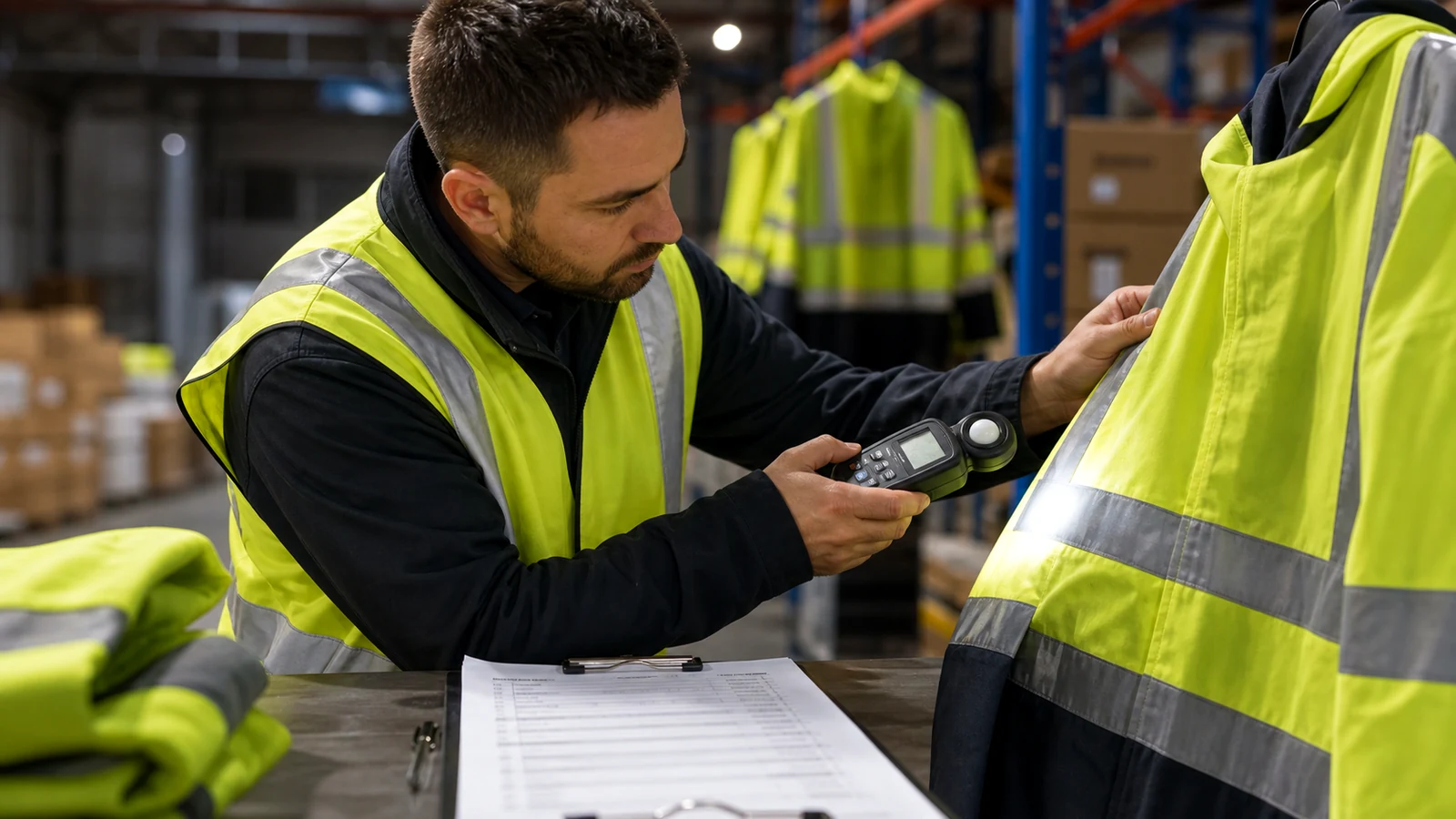
    As noted in our certification article, the market for fraudulent EN ISO 20471 certificates is real. Buyers should request laboratory test reports — not just certificates — from accredited testing bodies. The test report will show the actual measured values for background material area, retroreflective tape area, and colour coordinates.

    Washing Performance Requirements

    A frequently overlooked aspect of hi-vis compliance is washing performance. EN ISO 20471 requires that garments maintain their performance characteristics after a specified number of wash cycles. Cheap hi-vis garments often fail washing performance tests even if they pass initial measurements. Request washing performance data from your supplier.

    UNIWORKWEAR’s hi-vis range is tested to EN ISO 20471 Class 2 and Class 3 standards, with full laboratory test reports available. All garments are tested for washing performance to the required cycle counts.

  • Private Label Workwear in 2026: Why More Brands Are Moving Away From China

    Private Label Workwear in 2026: Why More Brands Are Moving Away From China

    The private label workwear market is undergoing a significant shift. Brands, distributors, and retailers that built their private label programs on Chinese manufacturing are actively diversifying — and the reasons go beyond tariffs and shipping costs.

    The Private Label Risk Landscape Has Changed

    Three years ago, the primary risks in private label workwear sourcing were quality consistency and minimum order quantities. In 2026, the risk landscape is fundamentally different:

    • Reputational risk — Consumers and corporate buyers are increasingly scrutinising supply chain ethics. A private label brand associated with a factory involved in labour violations or environmental breaches faces serious reputational damage.
    • Compliance risk — New supply chain due diligence legislation in the EU and UK requires brands to verify and document their supply chain practices. Chinese factories are often unable or unwilling to provide the level of transparency required.
    • Continuity risk — Factory closures, financial instability, and geopolitical disruptions create real continuity risks for brands that are single-sourced in China.

    What Brands Are Looking for in Alternative Manufacturers

    The brands making the transition successfully are prioritising:

    • Full production transparency — the ability to visit the factory and verify that their products are being made where they are told they are being made
    • Ethical manufacturing documentation — audit reports, worker welfare policies, environmental compliance
    • Flexible MOQs — the ability to start with smaller quantities to test quality and market response before scaling
    • Branding capability — full private label services including custom labels, packaging, and hang tags

    UNIWORKWEAR offers complete private label and OEM manufacturing services with full production transparency. Our factory is open to visits and third-party audits. MOQs start from 50 pieces per style, making it practical to build and test a private label range without committing to large volumes upfront.

  • The Truth About Workwear Certifications in 2026: What Is Real and What Is Fake

    The Truth About Workwear Certifications in 2026: What Is Real and What Is Fake

    In a market under pressure, certification fraud is rising. This is not a comfortable topic, but it is one that every B2B workwear buyer needs to understand in 2026. The consequences of sourcing non-compliant safety workwear are not just financial — they are legal and, in some cases, life-threatening.

    Why Certification Fraud Is Increasing

    The combination of financial pressure on Chinese factories, increased demand for certified workwear, and the difficulty of verification creates the conditions for fraud. Factories that cannot afford genuine certification — or cannot meet the standards — are producing counterfeit certificates. The market for fake ISO, OEKO-TEX, and EN ISO 20471 certificates is real and growing.

    The Certifications That Matter Most for Workwear

    EN ISO 20471 (Hi-Vis Workwear)

    This is the European standard for high-visibility clothing. Class 2 and Class 3 garments must meet specific retroreflective tape placement, background material area, and colour requirements. A fake EN ISO 20471 certificate on a non-compliant garment puts workers at risk and exposes employers to significant liability.

    OEKO-TEX Standard 100

    This certification verifies that fabrics have been tested for harmful substances. It is increasingly required by healthcare, food service, and childcare uniform buyers. Genuine OEKO-TEX certificates can be verified at the OEKO-TEX website using the certificate number.

    ISO 9001

    This quality management system certification indicates that a factory has documented processes, quality controls, and continuous improvement systems in place. It does not guarantee product quality, but it is a meaningful indicator of operational discipline.

    How to Verify Certifications

    • Request the certificate number and verify it directly with the issuing body
    • Check the certificate expiry date — many fraudulent certificates use expired genuine certificates with altered dates
    • Verify that the factory name and address on the certificate match the factory you are dealing with
    • For EN ISO 20471, request test reports from an accredited laboratory, not just the certificate

    UNIWORKWEAR’s certifications are current, verifiable, and available for review. We welcome third-party audits and can provide laboratory test reports for all safety-rated products.

  • Global Supply Chain Disruption in 2026: A Workwear Buyer\’s Survival Guide

    Global Supply Chain Disruption in 2026: A Workwear Buyer\’s Survival Guide

    If you are responsible for sourcing workwear or uniforms for your organisation in 2026, you are operating in the most complex supply chain environment in a generation. This guide covers what is actually happening and what you can do about it.

    The Five Disruptions Hitting Workwear Supply Chains Right Now

    1. Middle East Shipping Disruptions

    The US-Iran conflict has made the Red Sea and Persian Gulf unreliable for commercial shipping. Vessels are rerouting around the Cape of Good Hope, adding 10-14 days and significant cost to Asia-Europe shipments.

    2. US-China Tariff Escalation

    At 145% tariffs on Chinese goods, North American buyers cannot source from China competitively. This is pushing demand to alternative manufacturers and creating capacity constraints in some regions.

    3. Raw Material Price Volatility

    Oil price instability is driving synthetic fabric cost increases. Cotton prices remain elevated due to weather events in key growing regions. Buyers are seeing fabric cost increases of 15-25% compared to 2023 levels.

    4. Freight Rate Unpredictability

    Container shipping rates have been volatile since 2020 and remain so. Spot rates can change significantly within weeks, making it difficult to lock in landed costs for large orders.

    5. Quality Consistency Challenges

    Factories under financial pressure are cutting corners. Subcontracting without disclosure, fabric substitution, and certification fraud are all more common than they were three years ago.

    What Resilient Buyers Are Doing

    • Qualifying multiple suppliers — Not just as backup, but as active partners with regular orders to maintain relationships and production slots.
    • Ordering with longer lead times — Building 60-90 day buffers into procurement cycles to absorb shipping delays.
    • Requesting factory audits — Verifying that the factory you are buying from is the factory actually making your garments.
    • Prioritising certified manufacturers — ISO 9001, OEKO-TEX, and relevant safety certifications are not just compliance checkboxes — they are indicators of operational discipline.

    UNIWORKWEAR offers factory visits and third-party audit support for buyers who want to verify our production capabilities before placing large orders. Contact us to arrange.