Sample approval is the point where a visual idea becomes a production standard. If approval is vague, the factory may have no reliable reference when fabric is cut, branding is applied, or finished garments are inspected. A structured checklist protects both buyer and manufacturer.
Confirm Which Sample You Are Approving
Development samples, fit samples, size sets, branding samples, and pre-production samples serve different purposes. The final approval should identify the sample version, date, style code, colour, size, and any remaining exceptions.
1. Measure the Garment
- Use the agreed points of measurement and method.
- Compare every critical measurement with the specification.
- Record actual measurements rather than writing only “approved.”
- Test movement and layering for the intended job.
- Confirm tolerances for bulk inspection.
2. Verify Fabric and Colour
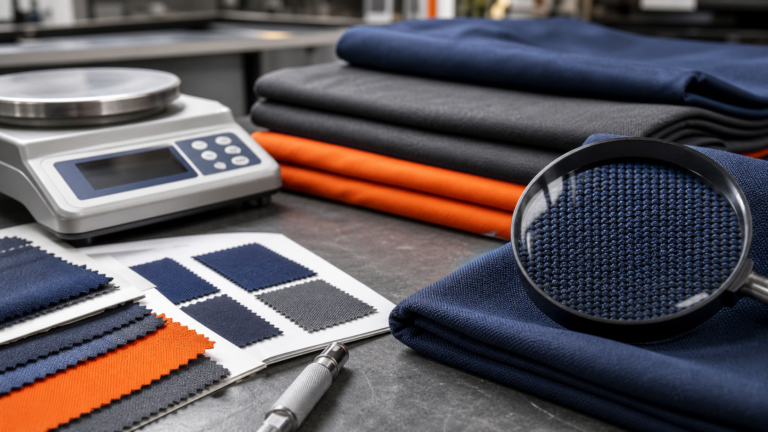
Confirm fibre composition, nominated fabric code, weight or construction, finish, stretch, hand feel, and colour reference. Review the sample in controlled light and compare it with the approved lab dip or colour standard.
If washing performance matters, wash the garment before approval. Check shrinkage, twisting, colour loss, pilling, seam appearance, and branding durability.
3. Review Construction
| Area | What to check |
|---|---|
| Seams | Type, strength, neatness, skipped stitches, seam allowance |
| Stress points | Bar tacks, reinforcement, pocket corners, belt loops |
| Closures | Zips, snaps, buttons, hook-and-loop alignment and operation |
| Symmetry | Pockets, panels, reflective tape, collars, cuffs |
| Inside finish | Loose threads, raw edges, labels, comfort against skin |
4. Approve Branding at Actual Size
Check logo dimensions, colours, placement, orientation, stitch or print quality, backing, and appearance on the selected fabric. Approve a physical decoration strike-off where possible. Artwork displayed on a screen is not a substitute for checking the actual result.
5. Check Trims, Labels, and Packaging
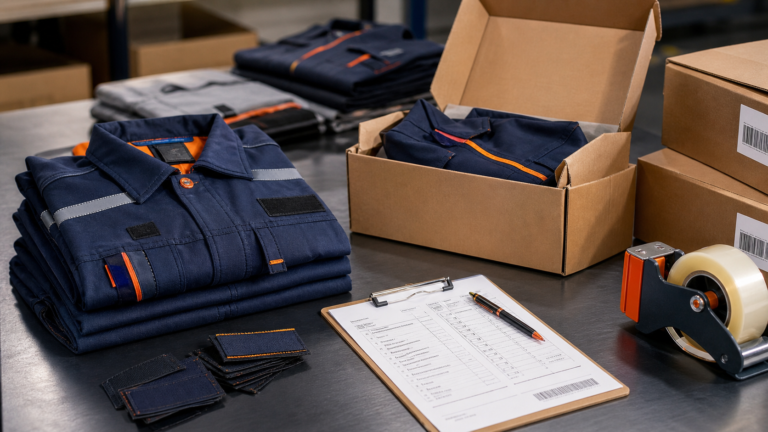
Verify every visible and functional trim: zip type, puller, buttons, elastic, cord, reflective tape, and thread colour. Review brand labels, size labels, care instructions, country-of-origin wording, hangtags, polybags, carton labels, barcodes, and folding method.
6. Record Corrections Clearly
Use photographs with annotations and a numbered comment sheet. Separate mandatory corrections from suggestions. When a revised sample is required, state which previous points must be rechecked.
Approval should create one unambiguous production reference shared by the buyer, merchandiser, pattern team, production line, and quality inspector.
7. Sign Off the Production Standard
The approval record should include the approved sample version, specification version, measurement chart, fabric and colour reference, branding artwork, packaging instructions, approved exceptions, date, and responsible approver.
Keep one sealed approval sample with the buyer and one with the factory when practical. Use the same reference during inline and pre-shipment inspection.
What Happens After Approval?
The manufacturer confirms material availability, production schedule, inspection plan, packaging requirements, and shipping milestone. Any later substitution should require written buyer approval.
Ready to evaluate quality before ordering? Request a workwear sample or explore the UNIWORKWEAR quality-control process.